
Just as much as we love to travel – we also might want to share our experience and photos about the trips we went on. In this age of social media and instant sharing, photography has become a vital part of our travel experiences. Some people even travel just to be able to photograph the world!
However, with the privilege of capturing moments comes the responsibility to engage in ethical photography practices. This guide will explore what ethical photography means when traveling and provide practical tips to make sure, that we honor the places and their people.
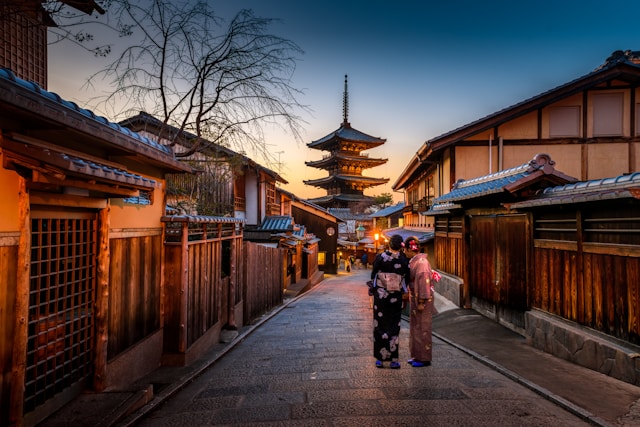
But What Exactly is Ethical Photography?
Ethical photography is rooted in respect—respect for people, cultures, and the environment. It involves being aware of the impact our photography may have on subjects, communities, and landscapes. It’s not merely about technical skill or the outcome of how stunning is the shot; it’s about how we tell stories through our images and also the implications those stories create.
When we think of ethical practices, they may vary based on location and cultural context, beyond what we would think. For instance, what might be acceptable in one country could be seen as invasive or disrespectful in another. Being culturally sensitive is one of the pillars of ethical photography. Before snapping photos, it’s essential to understand the customs, norms, and boundaries of the specific neighbourhood you are visiting—such as strict photography bans in sensitive areas like Amsterdam’s Red Light District.
Consent is Everything
One of the key considerations in ethical photography is obtaining consent. When photographing individuals, especially in personal or private moments, always ask for permission first. This shows respect for their autonomy and acknowledges their right to control how they are being represented. In many cultures, asking for permission is a sign of good manners and sincerity, so asking nicely will more likely to land you a good shot than trying to be sneaky.
There are various approaches to gaining consent. Sometimes, a simple gesture or smile will suffice; other times, particularly in more reserved cultures, a verbal request in their local language can go a long way. You also must be prepared, that not everyone will want their photograph taken, and that’s absolutely okay. You have to respect their decision, the same you’d expect them to respect your privace. Always be prepared to gracefully accept a “no” without any pressure or disappointment.
Capturing Cultures Respectfully
While tempting, it is essential to refrain from reducing a rich culture to mere photographic subjects. Ethical photography emphasizes meaning and authenticity over sensationalism. When shooting in communities or sacred areas, aim to highlight the cultural significance and stories behind what you are capturing.
Doing research before visiting a place can prepare you for how to approach cultural photography thoughtfully. Understanding the history, customs, and challenges faced by the community can help you portray them in a way that honors their heritage or helps to understand their situation, rather than exploiting it for likes and shares. This is a difficult and sensitive decision that is yours to make. All photographers like to be recognised for their work, but not at any cost.
A great practice is to engage with local communities in ways that go beyond the lens; participate in local events, learn a few phrases in their language, or volunteer your time. Spend some time with the community and engage in simple, human interactions. This will help you to gain their consent and also to forge connections that can lead to more meaningful portraits and stories over time.
Environmental Responsibility in Photography
Beyond humans, ethical photography also extends to how we interact with the environment. Nature is an extraordinary subject for photographers, we all know that. That’s why it’s essential to respect the environment we capture. A very simple example for this is to follow the “Leave No Trace” principle and thread gently in natural habitats. Needless to say: don’t leave rubbish behind, don’t take anything with you, leave everything exactly how you found it.
Be mindful of your surroundings. Avoid stepping on fragile ecosystems or disturbing wildlife for a sake of a good photo. Additionally, be aware of specific regulations in protected areas, and obtain the proper permits when required (this you will always need to research in advance because they don’t just being signed off in a matter of a day or two…) This approach not only helps to protect the environment but also shows integrity in the images you create.
Representing Stories with Sensitivity
When editing and sharing your photographs, consider the narratives you are telling. Avoid perpetuating stereotypes. Similarly, do your best to understand the complexities within a community. Aim to share images that helps others, YOUR VIEWERS, to understand and convey these human’s history.
Using captions wisely can also provide context to your images and help tell the accurate story behind what is visually presented. Strive for honesty in your representations rather than romanticizing or simplifying experiences. A good photographer needs to build a skill of describing their works in detail and give offer a narrative to the visual story. Ethical photographers recognize that every image has the power to shape perceptions and narratives, so choose wisely.
Inclusive Photography
Inclusivity is another core tenet of ethical photography. Consider representing a diversity of voices and perspectives within your work. Avoid only capturing the mainstream or dominant narratives in a community, as this can lead to biased representations. Seek out marginalized voices, and think about how you can elevate them through your lens.
These various perspectives not only enrich your photography but also contribute to a more holistic portrayal of a location or culture. Engaging with local artists, storytellers, and photographers can also provide fresh insights.
Always Strive for the True Stories
Traveling and photographing are inherently personal, yet they can greatly influence the lives of others. You can hope, that your own, personal experience is grounded in respect, authenticity, and integrity. Remember that every photo has a story behind it, and every story deserves to be told with care.
By doing so, you contribute positively to the places and people you encounter, creating a richer and more meaningful travel experience for yourself and your audience.
Related Posts
Must-Have Reusables for Traveling
Traveling can be one of life’s greatest pleasures, offering a…
10 Peaceful Places in the UK to Escape To
I noticed lately, that many people are looking to…